Just when many felt that COVID-19 was fading into the background, a new variant has shown up—NB.1.8.1. If you’re thinking, “Not again,” you’re not alone. It’s completely normal to feel a little anxious when you hear about another variant. After all, we’ve been through a lot. This one has recently surfaced in China and has made its way to the U.S., showing up in airport screenings. So, what’s different about NB.1.8.1? Is it something to really worry about, or just another blip on the COVID radar? Let’s walk through the facts—together.
What Makes NB.1.8.1 Different?
NB.1.8.1 is a subvariant of Omicron, which probably doesn’t surprise you—Omicron and its offshoots have been dominant for a while now. What sets this one apart is a set of specific mutations in the spike protein (think of these like small genetic “tweaks”). These changes—T22N, F59S, and a few others—might make it spread more easily or help it dodge some of our immune defenses. Scientists are still figuring out exactly what these mutations mean. For now, it’s one more reason to stay informed and take good care of ourselves and each other.
Where It’s Showing Up and Why It Matters
Although it started in China, NB.1.8.1 hasn’t stayed put. It’s now been detected in the U.S. and possibly other countries, mostly through routine screening of travelers. So far, we haven’t seen a huge surge in cases linked to this variant, but experts are keeping a close eye on it. The fact that it’s crossing borders shows how easily these variants can spread. It’s a reminder that even if we’re personally feeling “done” with the pandemic, the virus isn’t quite done with us. That said, we have tools and knowledge now that we didn’t have in 2020.
Should We Be Worried About Severity?
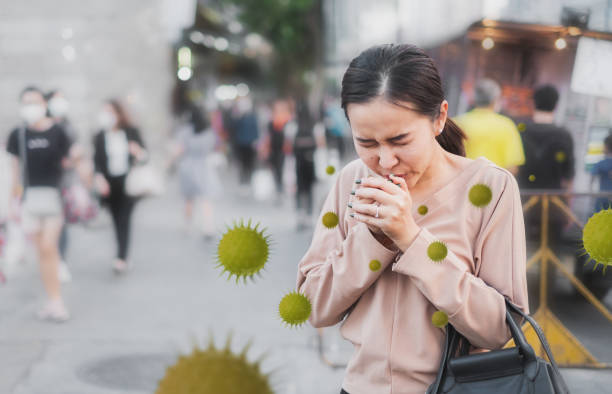
Here’s the good news: there’s no sign yet that NB.1.8.1 is more dangerous or deadly than the variants we’ve been dealing with. Most cases appear to be mild, with familiar symptoms like a runny nose, cough, fever, and tiredness. That said, if you’re immunocompromised or have a chronic condition, it’s always smart to take extra precautions. Just like with earlier variants, severity can vary person to person. So, while it’s not time to panic, it is time to stay alert and keep those healthy habits going strong.
What Can You Do to Stay Safe?
So, what should you do about NB.1.8.1? The same things that have kept us safe before still work. Stay up to date with your vaccines (yes, even the boosters!). Mask up (use a well-fitted N95) in crowded or indoor spaces. Ensure clean air and good ventilation indoors – think open windows and air purifiers. And of course, if you’re feeling sick, take it seriously. Stay home, rest, and test. Avoid spreading it to others by isolating until you test negative. And if someone in your household tests positive, follow the same guidelines to prevent being a carrier and spreading it to others.
Final Thoughts
NB.1.8.1 might sound like just another confusing string of letters and numbers, but it’s worth paying attention to. Thankfully, we’re not where we were in 2020—we have vaccines, better treatments, and a whole lot more knowledge. By staying informed, taking care of our health, and being respectful of others’ safety, we can handle whatever the virus throws at us next.