Long COVID can feel like a health mystery that just won’t quit. For many people, the most distressing part isn’t just the fatigue or brain fog—it’s the nerve pain, tingling, or numbness that shows up weeks or even months after the infection has passed. This condition, known as long COVID neuropathy, can make everyday tasks feel like a struggle. The good news? Some natural remedies may offer relief and help your body heal. While there’s still much we’re learning, early evidence and patient stories point to several gentle approaches that may support nerve repair and reduce discomfort.
Understanding Long COVID Neuropathy
Neuropathy in long COVID doesn’t always follow the usual rules. It might start with burning feet, shooting pains, or pins-and-needles that come and go. Some people report that even light touch becomes painful. Researchers believe this is partly due to the virus triggering inflammation in the nervous system or damaging small nerve fibers. Over time, this can interfere with how nerves send signals. While conventional medications can help, they often come with side effects. That’s why natural remedies have gained attention—from those seeking alternatives to those simply hoping to add supportive tools to their healing journey.
Alpha-Lipoic Acid and Acetyl-L-Carnitine
Two supplements often used in traditional nerve damage are now being explored for long COVID: alpha-lipoic acid and acetyl-L-carnitine. Alpha-lipoic acid is a powerful antioxidant that has shown promise in reducing nerve pain, particularly in diabetic neuropathy, which shares similarities with long COVID nerve issues (PubMed). Acetyl-L-carnitine helps with energy production and nerve regeneration, and has also been studied for chemotherapy-induced nerve pain (PubMed). While research on their use in long COVID is still new, early anecdotal reports are encouraging. As always, talk to your doctor before adding these to your regimen.
Omega-3 Fatty Acids and Anti-Inflammatory Foods
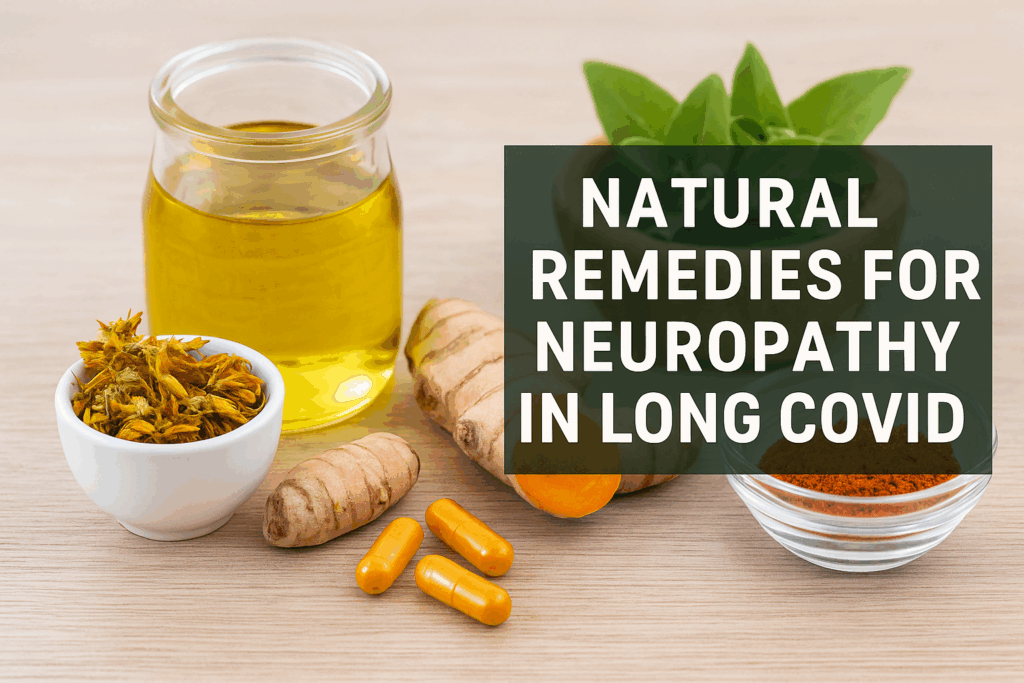
Your nerves are surrounded by protective tissue that loves healthy fats—especially omega-3s. Found in fish oil, flaxseed, and chia seeds, omega-3s support brain and nerve function and can reduce inflammation. A 2021 review in Frontiers in Immunology found that omega-3s may play a role in regulating immune overactivity in long COVID (Frontiers). Adding more anti-inflammatory foods like turmeric, berries, leafy greens, and olive oil can also help. Think of your diet as daily medicine. These simple shifts don’t just support nerve healing—they boost your overall resilience.
Gentle Movement and Nerve Stimulation
It’s tempting to rest all day when neuropathy flares up, but gentle movement can actually help. Activities like walking, tai chi, or stretching may improve circulation and stimulate the healing of small nerve fibers. Physical therapists sometimes use desensitization techniques—like brushing the skin lightly or using textured objects—to retrain irritated nerves. These small, consistent actions can gradually reduce hypersensitivity. If you’re unsure where to start, consider consulting a physical or occupational therapist who understands post-viral rehab. Healing may feel slow, but progress is possible with patience and the right support.
Mind-Body Techniques and Nervous System Support
Your nerves don’t exist in isolation—they’re deeply tied to how you experience stress and safety. Many people with long COVID neuropathy find relief through calming the nervous system. Practices like mindfulness, breathwork, and vagus nerve stimulation (think cold splashes, humming, or gentle massage) may help shift the body from fight-or-flight mode into healing mode. Adaptogenic herbs like ashwagandha or rhodiola might offer additional support, though it’s important to research them carefully or consult a practitioner. The key takeaway? Calming your system can be just as important as treating the physical symptoms.
Final Thoughts
Living with long COVID neuropathy can feel overwhelming, but you’re not alone—and there is hope. Natural remedies may not be a magic fix, but many people find real comfort and progress through a combination of nutrition, movement, supplements, and mind-body care. Be gentle with yourself, track your symptoms, and stay connected with others walking a similar path. Most of all, keep tuning into your body—it’s trying to heal, and you’re giving it the support it needs.
References: