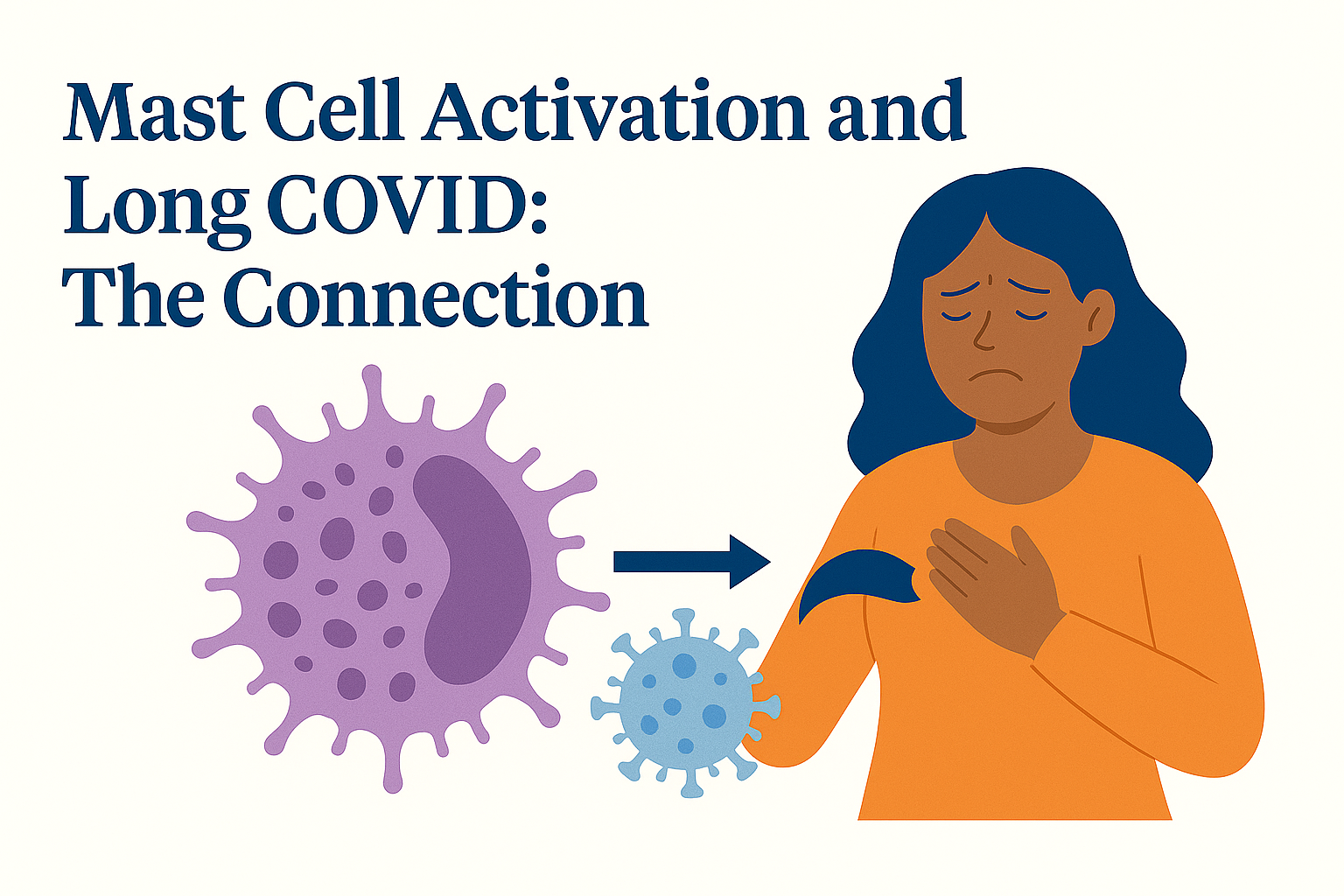
If you’ve had COVID and feel like you’re still stuck in a fog weeks or even months later, you’re not imagining it. Long COVID, or post-acute sequelae of SARS-CoV-2 infection (PASC), affects millions globally. It can feel like your body’s constantly on edge—chronic fatigue, brain fog, heart palpitations, random rashes. While researchers are still piecing together the puzzle, one fascinating theory gaining traction is the role of mast cells in all of this. Yep, the same immune cells that cause allergy symptoms could be going haywire post-infection. Let’s dig into the connection between Long COVID and mast cell activation—and why it might finally explain what’s going on.
What Are Mast Cells—and Why Should You Care?
Mast cells are part of your immune system’s first responders. They’re known for releasing histamine when you have an allergic reaction. But they also play a broader role in defending your body against infections. When activated appropriately, they help fight off invaders. But in some cases—like in mast cell activation syndrome (MCAS)—they release their chemicals too easily or too often. This overactivation can lead to widespread inflammation, affecting your brain, skin, gut, lungs, and more. And now, scientists suspect this same overactivation could be fueling the symptoms of Long COVID. That’s where “Long COVID mast cell activation” becomes more than a buzzword—it’s a clue.
How Long COVID Triggers Mast Cell Mayhem
So, how does COVID flip this immune switch? The theory goes like this: the virus may either directly trigger mast cells or create lingering inflammation that keeps them constantly on alert. Over time, this chronic activation starts to look like MCAS. That means symptoms like flushing, digestive upset, chest tightness, fatigue, and brain fog can persist, even when you’re no longer testing positive. In some people, it’s like the immune system can’t turn the volume down. And if you already had undiagnosed mast cell issues, COVID might have just dialed it up to 11. Understanding Long COVID mast cell activation may help guide future treatment.
Symptoms That Might Point to Mast Cell Activation
If you’re dealing with Long COVID and your symptoms seem to jump all over the place, you’re not alone. Common signs that mast cells might be involved include itchy skin, hives, headaches, rapid heart rate, shortness of breath, nausea, and even anxiety. These symptoms often wax and wane, which makes them hard to track and frustrating to explain to doctors. Many patients report sensitivity to smells, foods, or medications they previously tolerated just fine. This constellation of weird, shifting symptoms is classic for both MCAS and Long COVID mast cell activation—and recognizing the overlap is an important first step toward getting help.
What You Can Do If This Sounds Like You
If this is hitting close to home, don’t worry—you’re not helpless. While there’s no one-size-fits-all cure (yet), there are ways to manage mast cell-related symptoms. Many patients have found relief through antihistamines, mast cell stabilizers like cromolyn sodium, and anti-inflammatory diets. Some even respond well to natural options like quercetin or low-histamine nutrition plans. Always work with a healthcare provider familiar with mast cell disorders—ideally someone open to Long COVID research. The good news? Understanding the Long COVID mast cell activation link may offer a clearer treatment path for many who’ve been left in the dark.
Why This Research Matters
The ongoing research into Long COVID mast cell activation isn’t just academic—it’s personal for so many. It’s about finally getting answers after months (or years) of being told “it’s all in your head.” It’s about finding explanations for symptoms that don’t fit in neat boxes. As scientists dig deeper, they’re starting to recognize that Long COVID isn’t just one disease—it’s likely a cluster of overlapping conditions, and mast cell dysfunction is emerging as a key player. For those suffering, this is a hopeful sign that better diagnostics—and targeted treatments—could be just around the corner.