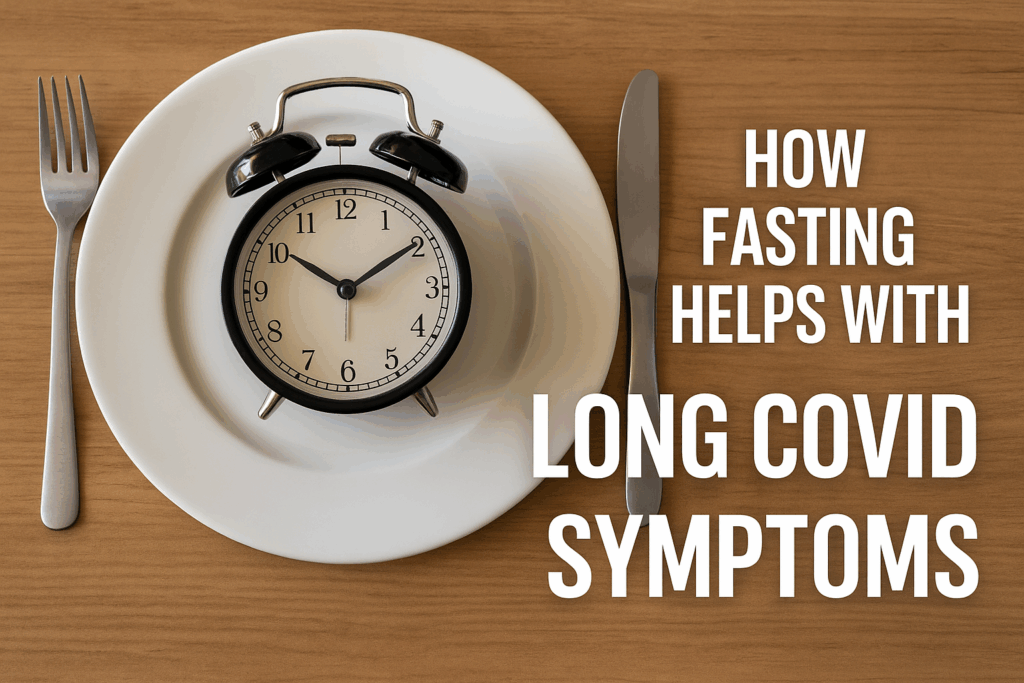
When you’re battling Long COVID, the symptoms can feel never-ending—from brain fog and fatigue to lingering inflammation and digestive woes. Amid all the treatment options and supplements, one ancient practice is quietly making waves in the recovery community: fasting. For centuries, fasting has been used for healing, detoxification, and spiritual clarity. But now, researchers and Long COVID patients alike are exploring how fasting might help reset the immune system, reduce inflammation, and even clear lingering viral particles. Could something as simple as taking a break from food actually offer relief? Let’s explore how fasting might support healing from Long COVID.
What Is Fasting and Why Does It Matter for Long COVID?
Fasting isn’t just about skipping meals; it’s a metabolic switch that kicks the body into repair mode. During fasting, your body stops using glucose as its primary fuel and starts burning fat, leading to the production of ketones. These ketones are known to support brain health and reduce oxidative stress. For those with Long COVID, fasting may help by downregulating the overactive immune response that many researchers believe is at the core of post-viral syndromes. It may also give the gut a break, allowing the microbiome to rebalance—a big deal if you’re dealing with gut-related Long COVID symptoms like bloating or food sensitivities.
Autophagy: Your Body’s Natural Clean-Up Process
One of the most exciting mechanisms triggered by fasting is autophagy, a process where the body breaks down and recycles damaged cells and proteins. This self-cleaning function can reduce inflammation, improve cellular function, and potentially clear out viral debris left behind after infection. In Long COVID, where chronic inflammation and cellular dysfunction are common, encouraging autophagy through intermittent or extended fasting could help reset the system. Studies suggest that fasting-induced autophagy may be especially beneficial for the nervous system, which is often impacted by Long COVID (Nature Aging).
Reducing Inflammation Through Fasting
Chronic inflammation is one of the hallmarks of Long COVID. The immune system, once activated by the initial infection, sometimes continues to overreact. Fasting has been shown to decrease pro-inflammatory cytokines like IL-6 and TNF-alpha, both of which are often elevated in Long COVID cases. A study published in Cell noted that intermittent fasting could modulate the immune system in a way that leads to reduced inflammation (Cell). For many, even short fasting windows like 16:8 (fasting for 16 hours, eating within an 8-hour window) can yield noticeable benefits in energy, mood, and inflammation levels.
Gut Health and Fasting
Fasting can also give your digestive system a rest. For people with Long COVID, gut dysbiosis is a frequent complaint—meaning the balance of good and bad bacteria in the gut has been disrupted. Taking a break from food allows the gut lining to heal, encourages the growth of beneficial bacteria, and may reduce symptoms like gas, bloating, and abdominal discomfort. Some researchers believe this gut reset can also lower systemic inflammation and improve mental clarity, as the gut and brain are deeply connected via the gut-brain axis (Frontiers in Immunology).
Fasting and Mitochondrial Health
Many Long COVID patients report extreme fatigue that doesn’t improve with rest. This could be related to mitochondrial dysfunction, where your cells can’t produce energy efficiently. Fasting has been shown to support mitochondrial biogenesis—essentially creating new, healthier mitochondria. This means more efficient energy production, which could help address one of the most frustrating Long COVID symptoms. Some studies suggest that fasting enhances mitochondrial function and resilience under stress (PubMed). For those with post-viral fatigue, this could be a game-changer.
Is Fasting Safe for Everyone?
Fasting isn’t a one-size-fits-all solution, especially for those who are underweight, have blood sugar issues, or are on specific medications. If you’re considering fasting as part of your Long COVID recovery, it’s best to start slowly and consult a healthcare provider. Options like intermittent fasting, time-restricted eating, or even fasting-mimicking diets can offer benefits without requiring prolonged fasts. It’s also essential to stay hydrated, listen to your body, and break your fasts with nourishing, anti-inflammatory foods.
Final Thoughts
Fasting may not be a magic bullet, but for many grappling with Long COVID, it’s a powerful tool in the healing toolbox. Whether you’re struggling with brain fog, fatigue, or chronic inflammation, giving your body a break from constant digestion could offer some much-needed relief. As always, personalisation is key. What works for one person may not work for another—but exploring fasting under medical guidance might just help you turn a corner. Healing takes time, and sometimes the most ancient practices can offer modern hope.