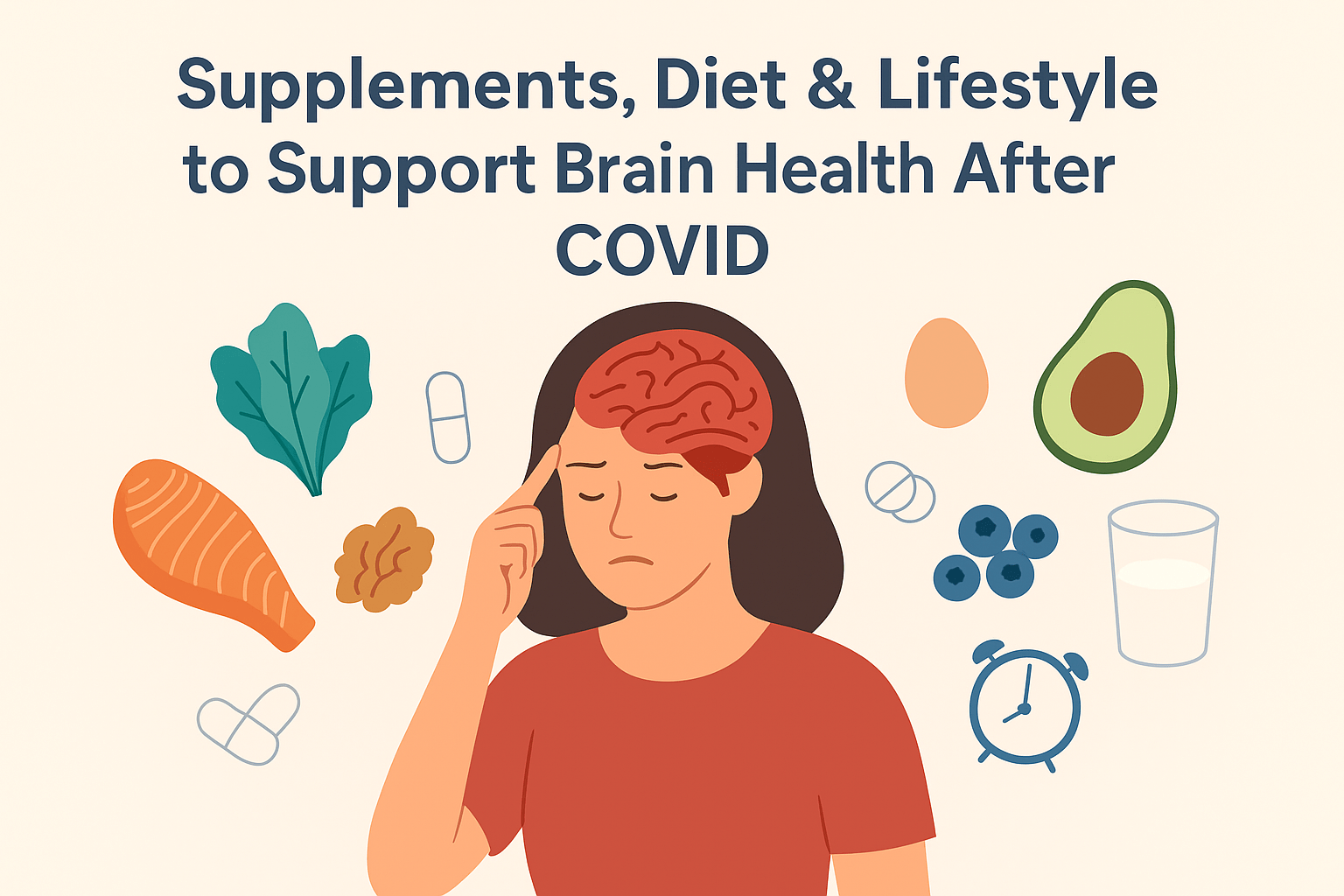
If you’ve noticed your memory isn’t as sharp after COVID, you’re not alone. Many people describe moments of “brain fog,” forgetting simple things, or feeling mentally slower than before. This can be frustrating, especially if you were used to juggling work, conversations, and tasks with ease. Scientists are still learning about how COVID impacts the brain, but what’s clear is that recovery takes patience, care, and the right support. That’s where covid memory support comes in – not as a quick fix, but as a gentle guide to help your brain heal. In this article, we’ll explore foods, supplements, sleep, and exercise that can boost brain function. Along the way, you’ll hear scientific insights, professional advice, and warm reminders that healing is a journey. Let’s dive in—your brain deserves the same kindness you’d give your body.
Eat to Heal: Foods That Nurture Brain Function
What you put on your plate can either slow down recovery – or help your brain thrive. Doctors recommend focusing on anti-inflammatory foods, which protect your neurons and improve memory. Think colorful fruits like blueberries (nicknamed “brain berries”), leafy greens, nuts, and omega-3-rich fish such as salmon. These foods contain antioxidants and fatty acids that directly support brain plasticity, the process that allows your mind to repair and form new connections. A nutritionist, Nicolette Pace, highlights lutein-rich foods like spinach, carrots, and cantaloupe for their ability to cut through “brain fog.” On the flip side, heavily processed snacks and too much sugar may worsen inflammation and slow memory recovery. If cooking feels overwhelming, start small: add a handful of walnuts to your breakfast or swap soda for water with lemon. Every small change is a building block for long-term covid memory support.
Supplements: Helpful Boosts, With a Safety Note
Sometimes diet alone isn’t enough, especially if your body is low in key nutrients. This is where supplements can offer gentle covid memory support – but only with guidance from your doctor. B-complex vitamins, especially B12, are crucial for brain health and have been linked to slowing cognitive decline. Omega-3 fatty acids (DHA and EPA) are known for supporting memory and reducing brain inflammation. Vitamin D also plays a surprising role in recovery; low levels have been connected to longer-lasting COVID symptoms. Magnesium, often called the “relaxation mineral,” helps regulate sleep and brain function, but too much can upset your stomach. Researchers from Tufts University stress that supplements should never replace food, but can be a useful backup. The key takeaway? Supplements are tools, not magic pills. Always talk with your healthcare provider before adding them – especially if you’re already on medications or managing other conditions.
Sleep: Your Brain’s Nightly Reset Button
If there’s one thing your brain loves, it’s sleep. After COVID, rest isn’t just important – it’s therapy. During deep sleep, your brain consolidates memories, flushes out toxins, and resets itself for the next day. Doctors recommend 7–8 hours of quality rest as part of effective covid memory support. That might sound easier said than done, especially if lingering fatigue or anxiety disrupts your sleep. Start small: set a consistent bedtime, dim the lights an hour before bed, and keep phones out of reach. Magnesium-rich foods like almonds or a warm cup of chamomile tea can also help signal to your body that it’s time to wind down. If your sleep still feels broken, talk with a healthcare provider – sometimes sleep apnea, anxiety, or post-viral changes can play a role. Think of sleep as a gift to your future self: every restful night strengthens your brain’s ability to heal.
Move Your Body, Sharpen Your Mind
Exercise isn’t just about muscles—it’s brain medicine. Studies show that regular movement increases blood flow to the brain, improves mood, and strengthens memory. You don’t need to hit the gym hard; even a brisk walk, yoga, or dancing in your living room can create positive changes. Exercise also stimulates brain-derived neurotrophic factor (BDNF), a protein that helps your neurons grow and repair themselves. For those recovering from COVID, gentle exercise is key. Start slow – 10 minutes of walking a day is enough to get your brain firing again. Over time, aim for a mix of aerobic (walking, cycling) and strength-based activity (light weights, resistance bands). Remember, movement should feel good, not punishing. Pairing exercise with sunlight exposure is a double win: natural light boosts vitamin D, which also supports brain recovery. The more you move with kindness, the stronger your covid memory support becomes.
Exploring Ketones and MCTs: Extra Fuel for the Brain
Here’s a fascinating idea: what if your brain could run on an alternate fuel? Researchers have found that after COVID, some brains struggle to process glucose (their usual energy source). Enter ketones – produced naturally when your body burns fat. Medium-chain triglycerides (MCTs), found in coconut oil and available as supplements, can quickly raise ketone levels, giving your brain another source of energy. Early studies suggest MCT oil may help with memory and focus in people experiencing post-COVID brain fog. But – and this is important – not everyone tolerates MCT well, and it can sometimes cause digestive discomfort. It’s also not a substitute for balanced meals. If you’re curious about trying it, check in with your doctor first. Think of MCTs as a possible “bonus option” in your toolbox for covid memory support, not the centerpiece. Your brain needs steady, long-term care, not shortcuts.
Emotional Health: The Hidden Piece of Memory Recovery
It’s easy to focus only on diet and supplements, but your emotions play a big role in brain health too. Long COVID symptoms can be discouraging, even frightening, and stress itself can worsen memory issues. That’s why emotional support is an overlooked form of covid memory support. Simple practices – journaling, meditation, or talking with a trusted friend – can ease mental load. Some people find joining a long COVID support group helpful, where you realize you’re not facing this alone. Nutrition also ties into emotional balance: foods like salmon, leafy greens, and berries not only support memory but also help regulate mood. If your memory challenges are paired with depression or anxiety, reaching out to a counselor or doctor is essential. Healing is never just physical – it’s deeply emotional. And giving yourself kindness through this process might be one of the most powerful tools of all.
Safety First: Work With Your Doctor
Before making any changes to your diet, supplements, or lifestyle, it’s important to pause and think safety. Supplements can interact with medications or cause side effects if not monitored properly. For example, too much folate can hide a B12 deficiency, which could worsen memory problems if untreated. Pregnant or breastfeeding? Some supplements aren’t safe in higher doses. If your memory struggles are getting worse instead of better, it’s time for a full medical check-up – sometimes thyroid issues, vitamin deficiencies, or neurological conditions may be involved. Remember: covid memory support works best when combined with professional guidance. Consider your doctor or nutritionist a partner in your recovery journey. Together, you can build a personalized plan that’s safe, effective, and tailored to your needs. Your health deserves more than guesswork – it deserves care, science, and a compassionate team behind you.
Small Steps, Big Impact
Recovering your memory after COVID can feel like climbing a hill in slow motion. But the truth is, each step matters – every healthy meal, every extra hour of sleep, every short walk outside. Over time, these small daily choices create a foundation for clearer thinking and sharper recall. The most powerful form of covid memory support is consistency, not perfection. If you have days where brain fog lingers, remind yourself: healing is not linear. Celebrate the small wins – a task remembered, a good night’s rest, a walk that left you smiling. With patience, professional guidance, and compassion for yourself, your mind will find its way back to clarity. You’re not just surviving after COVID – you’re giving your brain the tools to thrive.
References
- Self – Neurologists’ tips for brain health
- NY Post – Foods to combat brain fog
- Times of India – Nutrients to boost memory
- Eating Well – Foods supporting cognitive aging
- Scitech Daily – B vitamins and cognitive decline
- UCLA – Food as brain medicine
- Yale Medicine – Vitamin D and long COVID
- The Sun – Magnesium benefits & caution
- PMC – Exercise and brain recovery
- Arxiv – Fasting & neuroplasticity
- PMC – MCTs and post-COVID brain health
- Food & Wine – Nutrition and mental health
- Wikipedia – Nutritional neuroscience safety notes