Last updated: February 2025
Bird flu, also known as H5N1 avian influenza, has been circulating in birds for decades — but the recent outbreaks affecting poultry, wildlife, and occasional human cases have brought renewed concern. Spreading close on the heels of COVID-19 that already damaged (and is still damaging) immune systems,
This guide breaks things down clearly and calmly, with practical steps you can follow to stay safe without panic.
What Is H5N1 Bird Flu?
H5N1 is a highly pathogenic avian influenza virus that mainly infects birds. Most people come into contact with it only through news reports, but farmers, poultry workers, and wildlife handlers may encounter infected birds directly.
There are many strains of avian flu — including H5N5, H5N8, and H7N9 — but H5N1 is the one most closely monitored because of:
- Its ability to cause severe disease in poultry
- Its occasional spillover into humans
- Its tendency to mutate
Even so, human infections remain sporadic at present, usually involving very close contact with sick birds.
How Bird Flu Spreads to Humans
Most people do not catch H5N1 easily – at least, not unless they are severely immunocompromised. For a healthy human to get infected, there is usually intense, direct exposure such as:
1. Handling sick or dead poultry
You’re at risk if you are plucking, defeathering, cleaning cages, or preparing contaminated birds.
2. Contact with contaminated surfaces
If you’re handling bird droppings, equipment, water, or bedding.
3. Inhalation of aerosolized particles
This can happen in crowded farms, culling operations, or poorly ventilated enclosed poultry facilities.
4. Exposure to infected wild birds
This is especially a risk during migration seasons.
5. Environmental exposure in markets
Traditional wet markets where poultry is sold alive.
Is H5N1 airborne?
H5N1 is airborne, but not in the same way COVID-19 is. In the case of bird flu, aerosolized particles from poultry facilities can carry virus-laden droplets and dust. The environment plays a major role on the extent of spread. This is why masks and ventilation are protective in agriculture settings.
Symptoms of H5N1 Bird Flu in Humans
Bird flu’s incubation period varies from person to person, but symptoms usually begin to show up between 2–8 days after exposure.
Common early symptoms:
- Fever
- Cough
- Sore throat
- Muscle aches
- Headache
- Fatigue
- Eye redness (conjunctivitis)
Progressive symptoms:
- Chest discomfort
- Shortness of breath
- Persistent cough
- Rapid breathing
Severe symptoms:
- Pneumonia
- Acute respiratory distress
- Low oxygen levels
- Confusion
- Seizures (rare)
When to seek medical care
If you develop flu-like symptoms after handling poultry or being near bird outbreaks, contact a healthcare provider immediately. Early testing and antiviral treatment may help prevent symptom progression and give you a chance of quicker recovery. As always, isolate and wear a well-fitten N95 if you develop symptoms.
Symptoms of Bird Flu in Birds and Animals
So how do you know if you’re exposed to sick birds? Poultry and wild birds show more obvious signs:
- Sudden death
- Swollen eyes
- Tremors
- Reduced egg laying
- Purple discoloration of combs or legs
- Breathing difficulty
- Diarrhea
- Unusual behavior
If multiple birds in the same area die suddenly, report it to local authorities.
How Dangerous Is Bird Flu for Humans?
At the present, the risk of infection for the general public remains very low. However, this might change if the virus evolves or mutates. It’s therefore important to continue to be vigilant, while not panicking, of course.
Some people are more at risk than others. High-risk groups include:
- Poultry farmers
- Slaughterhouse workers
- Veterinarians
- Wildlife handlers
- Backyard chicken owners
- People exposed to infected animals without protection
The real global concern is the virus mutating enough to spread between humans, but this has not happened – yet. Public health agencies track specific mutations closely (e.g., HA receptor binding changes, PB2 mutations affecting mammalian adaptation).
For now, bird flu remains a disease that mostly affects birds. While there is evidence of mammalian adaptation and spread across species, it has not mutated to affect humans actively yet. There is also no evidence currently of human to human spread.
Bird Flu and Food Safety — Can Eggs or Chicken Spread It?
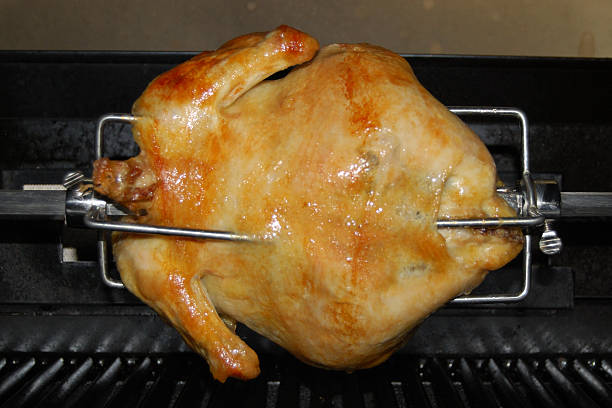
There’s a lot of disinformation out there about the spread of H5N1 bird flu through food, but here’s the good news – You cannot get bird flu from properly cooked chicken or eggs.
Safe cooking temperatures
- Chicken: 75°C / 165°F
- Eggs: cook until whites and yolks are firm
- Avoid raw or undercooked poultry products
Avoid cross-contamination
- Separate raw and cooked foods
- Wash hands after touching raw chicken
- Disinfect cutting boards and surfaces
Pasteurized eggs are safe.
How to Protect Yourself (Simple, Effective Steps)
As stated earlier, precautions do not mean panic. You don’t need extreme measures — just sensible precautions.
Personal Protection
- Wash your hands thoroughly after touching poultry or eggs
- Avoid touching your face
- Wear gloves if you’re going to be handling raw poultry
- Use a well-fitted mask (N95/KF94) in high-risk environments
- Consider eye protection such as goggles in poultry facilities
Indoor Safety Enhancements
Improving air quality reduces exposure to many pathogens, including influenza (and COVID-19 as well).
- Use CO₂ monitors to gauge ventilation
- Open windows whenever possible
- Use HEPA air purifiers
- Improve airflow with fans
- Far-UVC 222nm (in some settings) reduces airborne viruses safely
If You Keep Backyard Chickens
- Watch for sudden illness
- Report unusual bird deaths
- Keep poultry areas clean
- Avoid tracking droppings indoors
- Change clothes after handling birds
- Keep children away from sick birds
Latest Bird Flu Updates (2025)
First-ever human death from an H5N5 strain reported (2025)
- A backyard poultry exposure in Washington state (US) resulted in a confirmed fatality from H5N5 — a different bird-flu strain.
- This represents a serious development: first global fatality attributed to H5N5, which raises concerns about strain evolution.
Source: https://www.theguardian.com/world/2025/nov/22/bird-flu-first-death-h5n5-strain-us
Virus spreading beyond birds — affecting mammals (2024–2025 pattern continues)
- According to a recent update by Pan American Health Organization (PAHO), H5N1 continues circulating widely in the Americas — not just among wild and domestic birds, but also in mammals and occasionally humans.
- The virus has been confirmed in dairy cattle herds in multiple U.S. states, highlighting a broader host range than often assumed.
Source: https://www.paho.org/en/news/25-11-2025-paho-avian-influenza-ah5n1-continues-circulation-americas
2025 outbreaks across Europe remain high during migratory-bird season
- Recent reports show a surge in highly-pathogenic avian influenza (HPAI) detections in wild birds across many European countries during the 2025 autumn migration — higher than some previous years.
- Farms are also being affected: for example, a goose farm in Austria recently recorded H5N1 infection in a large flock — illustrating how wild-bird migrations continue to fuel outbreaks.
New vaccine development efforts underway in India
- The Indian Council of Medical Research (ICMR) has initiated research into an indigenous human vaccine for H5N1, signalling increased preparedness.
- This is notable because existing vaccines (for seasonal flu) aren’t sufficient for H5N1 — a dedicated vaccine could change future risk dynamics.
Outbreaks in India have wider host-range: domestic pets & zoo birds affected
- In 2025, H5N1 was detected in three pet cats and a live bird in Chhindwara, Madhya Pradesh — the first time such cases have been widely reported, raising concern about spillover to mammals beyond poultry.
- A recent outbreak in a zoo in Delhi led to closure of the facility after painted storks tested positive, showing that bird flu still impacts wildlife collections and public spaces.