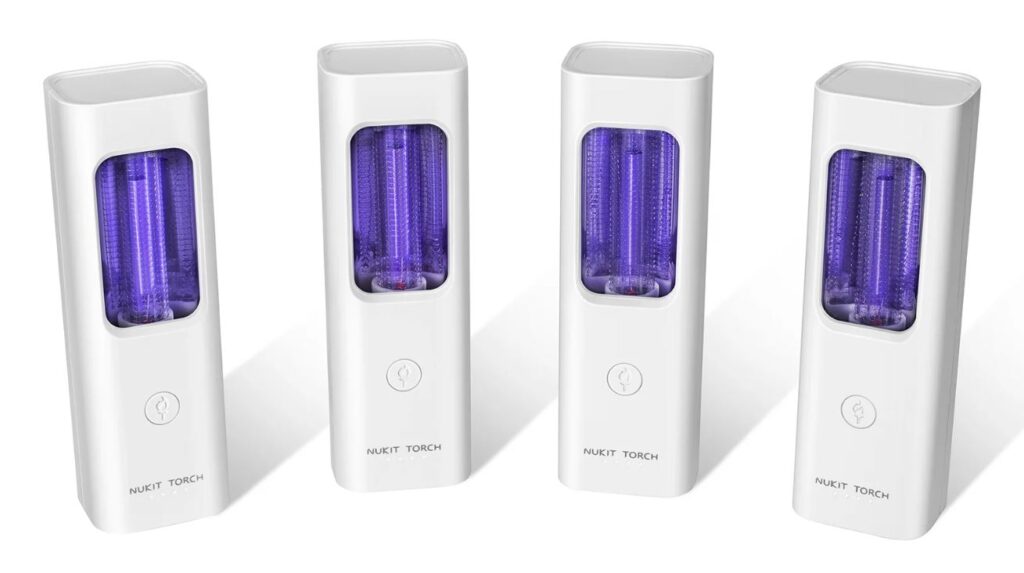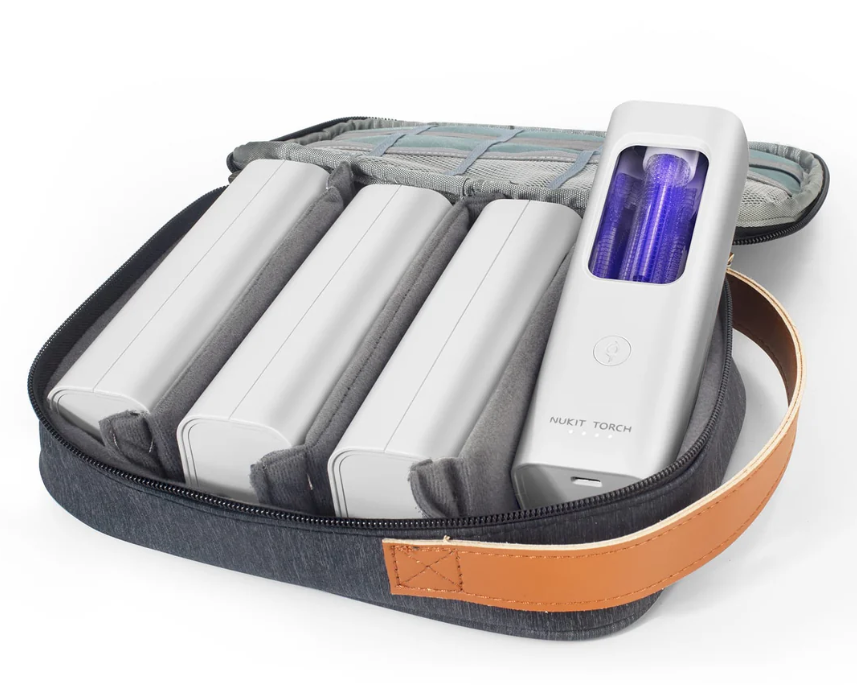

Let’s start with a story. Last month, I walked into a small dental clinic and noticed faint purple lights overhead—not the typical fluorescent tubes, but something different. My curiosity kicked in: “What are those, and are they safe?” Because yes, they’re cool, but any kind of UV light brings a twinge of concern. Years of pandemic health habits have taught many of us to pause before breathlessly buying into new safety tech.
Far‑UVC at 222 nm is marketed as a breakthrough—promising to kill pathogens in the air, on surfaces, and even in the breathing zone. But before you embrace or reject it, let’s talk. This isn’t about hype. It’s about real-world, people-centered science that answers ten pressing questions. These are myths I’ve personally encountered—from “Is it safe for eyes?” to “Is it all smoke and mirrors?” We’ll walk through each one, backed by peer‑reviewed research and stories about people who live, work, or heal under these lights—and feel as confident as they look. By the end, I hope you understand not just the facts, but why they matter to someone like you or me.
Myth 1: “Far‑UVC Will Damage Skin or Eyes”
Every time I step into that room, I feel a familiar tension, like that first time you walk inside a tanning salon. But here’s the thing—Far‑UVC lamps operate at a carefully chosen wavelength: 222 nm. That’s far different from the dangerous, deep-penetrating UVC radiation (like 254 nm) used in unoccupied sterilization setups. Studies show this shorter wavelength doesn’t pass through the dead outer layer of our skin (the stratum corneum) or tear film on our eyes.
One remarkable 36-month real-world study followed dental professionals working under these lamps daily and reported no change in eye health, visual clarity, or skin condition. Another study using human skin models found no DNA damage or skin cancer, even after repeated exposures over months. For me, that’s reassuring—like wearing sunglasses in bright summer, but safer. It reminds me how precision engineering can give us new tools without old risks.
Study Links:
- Sugihara et al., Photochemical & Photobiological Sciences (36-month ocular safety): https://pubmed.ncbi.nlm.nih.gov/35674061/
- Buonanno et al., Radiation Research (skin DNA safety study): https://pubmed.ncbi.nlm.nih.gov/29360663/
Myth 2: “Far‑UVC Only Works in Petri Dishes—Not Real Rooms”
Early skepticism is natural. I remember watching a video of scientists killing viruses in a lab dish with a single lamp and thinking, “That’s neat, but does it work in real life?” The answer, thankfully, is yes. In 2022, researchers installed Far‑UVC overhead in an occupied room—no masks, no distancing, just everyday activity. Pathogen levels dropped by 99.8%, simulating nearly 184 air changes per hour, a level of purification usually only achievable with industrial HVAC systems.
Later, similar results were recorded in hospital waiting rooms and classrooms: airborne microbial loads halved or better. Clean labs aren’t the only success stories—these lights work in real-world environments, where people eat lunch, talk, sneeze, or cough. For me, that’s powerful—because real life is messy. The lights don’t judge; they just do their job. If they can clean air among actual people, that’s proof enough for most of us.
Study Links:
- Welch et al., Science Advances (occupied room study): https://www.science.org/doi/10.1126/sciadv.abn0911
- First et al., Sci Rep study on hospital variant: https://www.nature.com/articles/s41598-022-24158-z
Myth 3: “It Produces Ozone and Dangerous Air Pollutants”
A few worried posts on social media claim any UV light “zaps oxygen” into ozone—or worse, triggers harmful VOCs. I get that—it sounds scary, especially if you have asthma or allergies. But look at the data: the 222 nm spectrum doesn’t overlap enough with oxygen absorption to produce harmful ozone, and field measurements show indoor ozone levels remain below safety limits—even after 8 hours under Far‑UVC.
Moreover, tests monitoring volatile organic compounds and aldehyde production in these environments found no unsafe spikes. That said, no tech is perfect. Manufacturers recommend pairing Far‑UVC lighting with standard air ventilation. For me, it’s like wearing a seatbelt—they add protection, they’re not a standalone solution.
Study Links:
- Indoor Air journal ozone/VOC study: https://pubmed.ncbi.nlm.nih.gov/33635548/
Myth 4: “It Only Kills Coronaviruses—Not Other Germs”
A friend joked, “What if my kid got strep throat—would these lights do anything?” Good question. Far‑UVC isn’t tailored to one bug—it’s a broad-spectrum disinfectant. In controlled lab tests, it inactivated 99.9% of airborne influenza and multiple human coronaviruses at similar doses. In another study, Far‑UVC destroyed MRSA bacteria on skin models as effectively as it did viruses.
When used in occupied rooms, pathogen loads of both factions—viruses and bacteria—plummeted. It’s a Swiss Army knife for airborne microbes. That means whether you’re worried about flu season, common cold, or more resistant infections, Far‑UVC offers a real defense. For me, knowing it’s not just hype about headlines gives me peace of mind.
Study Links:
- Buonanno et al., Sci Rep 2020 (influenza & coronavirus inactivation): https://www.nature.com/articles/s41598-020-67211-2
- Welch et al., Rad Res 2017 (MRSA deactivation): https://pubmed.ncbi.nlm.nih.gov/29360663/
Myth 5: “Safety Data Only Runs Short-Term”
“You don’t know what might happen years down the line,” my sister said once, understandably cautious. It’s true—many innovations fail long-term safety tests. Far‑UVC, however, has passed multi-month studies in animals, human tissue cultures, and real-world settings.
The real clincher is the 36-month ocular follow-up I mentioned earlier—along with repeat daily exposures in controlled studies on skin models that showed no adverse effects. That’s three years of people going about their work under the lights—without MD visits, rashes, or vision complaints. Anecdotal? People check in about how they feel, and the answer so far is: fine. Real-world comfort, no red flags, and ongoing monitoring. I believe science—and I also trust enough to sleep under it.
Study Links:
- Sugihara et al., Photochem Photobiol Sci (ocular): https://pubmed.ncbi.nlm.nih.gov/39659140/
Myth 6: “Far‑UVC Might Cause Skin Cancer”
Cancer is the scariest word in the safety conversation. And while other UV types (like UVA or traditional UVC) are linked with DNA damage, Far‑UVC behaves differently. In 15-month mouse studies, animals exposed to filtered 222 nm lamps showed no increased tumors or DNA mutations—even at stronger doses than typical use.
Lab-based human skin models echoed similar results: no pyrene-dimers, no mutation markers. Now, mice aren’t people—but they’re sensitive species. The studies exceeded everyday exposure limits—so the fact that no problems surfaced is significant. It’s evidence, not promise, that shields fear with fact.
Study Links:
- Yamano et al., Photodermatol Photoimmunol Photomed (mouse study): https://pubmed.ncbi.nlm.nih.gov/33369101/
Myth 7: “Cheap Lamps Leak Bad UV and Harm You”
My friend pointed out an advertisement for “germicidal” lamps under $100. I worried too—there’s a risk cheap lamps might leak normal UVC or harmful wavelengths above 230 nm. That’s why good lamps use krypton-chloride excimer lamps with certified filters blocked at >230 nm. Official paper reviews still stress quality control.
Look for units tested to international standards—IEC 60335 or UL certifications. Use them properly, and you won’t glow in UV. The difference between cutting-edge disinfection and DIY danger often comes down to one thing: certified design. If it doesn’t say it’s filtered 230 nm or lower, ask—don’t risk.
Study Links:
- Welch group review, Rad Res: https://pubmed.ncbi.nlm.nih.gov/29360663/
- WHO/CDC review paper recommending filtered excimer lamps: https://who.int/uvdatabase
Myth 8: “Dim blue glow means radiation—maybe harmful”
Some describe Far‑UVC lamps as emitting a bluish-purple glow—eerie in an empty hallway. One user reported feeling a slight “warmth,” and the sensation made them skeptical. But rest assured, it isn’t infrared heat or ionizing energy. That tiny flicker is a mercury-free gas discharge—harmless light that’s more akin to mood lighting than sunburn.
Sensitive tech, like wearable sensors and eye cameras, have picked up zero burn, zero thermal stress, zero photokeratitis under normal use. And people working in settings every day—dentists, clinicians, flight attendants—say that after an hour or two, they’ve forgotten it’s even on. Sometimes science glow actually is science—and not paranormal. 😉
Study Links:
- Sugihara et al. 36‑month lamp presence monitoring: https://pubmed.ncbi.nlm.nih.gov/39659140/
Myth 9: “It Only Disinfects Air—Not Everything You Touch”
There’s a tendency to see technical fixes as limited. I asked my office manager, “But what about desks and door handles? Are we still wiping them down?” Simple answer: yes—but far-UVC helps. Lab and room studies show it’s just as effective at disinfecting virus particles that land on surfaces, as long as the light can hit them. Using it in ceiling-mounted zones creates ambient sanitation.
Think of it as a safety net—not a substitute. Wiping and cleaning still matter, but the Far‑UVC is working in the background—continuously cleaning air and objects that are otherwise missed. That’s the kind of safety layer that works quietly, like seatbelts or sprinklers.
Study Links:
- Buonanno et al., Sci Rep (surface disinfection results): https://www.nature.com/articles/s41598-017-17270-1
Myth 10: “Why Bother if I Already Use Masks & Filters?”
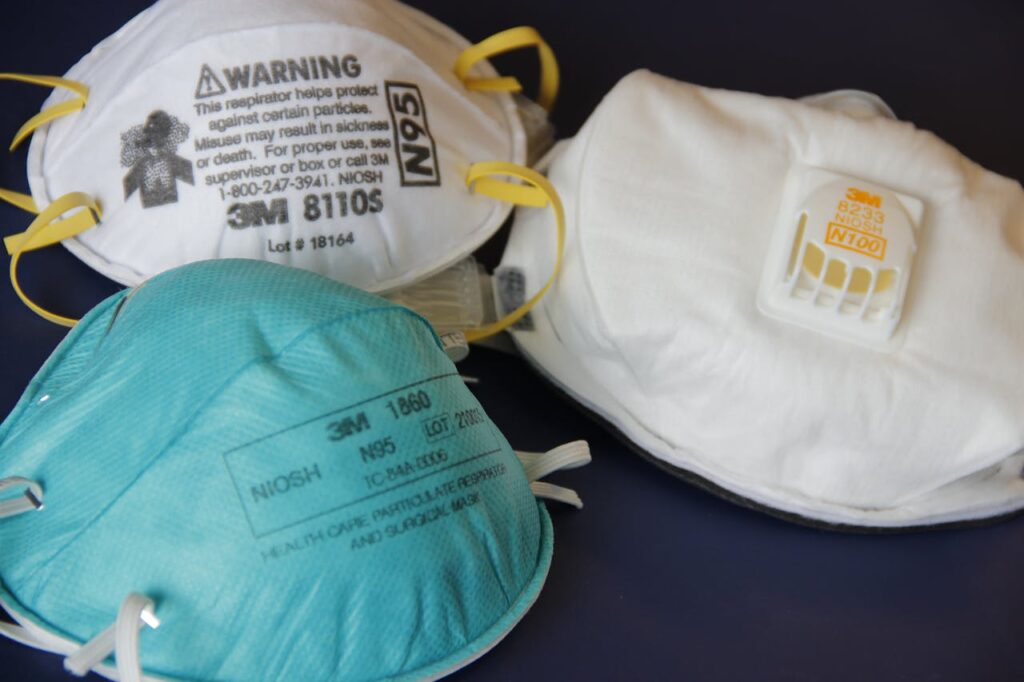
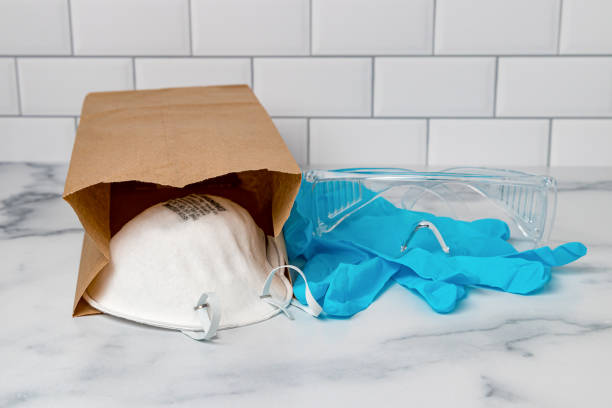
Got masks? Got a HEPA filter? Great. But here’s the key: air moves, people mingle, surfaces touch—you need layers. Far‑UVC acts like disinfectant lighting in addition to your masks and filters. Research shows that the continuous cycle of inactivating pathogens boosts indoor air safety dramatically—achieving an equivalent of hundreds of air changes per hour.
Imagine layers of defense: your mask stops particles at the source. Filters catch what’s floating around. And Far‑UVC zaps what gets by both. This three-pronged approach compresses the risk, especially in high-traffic or enclosed spaces. It’s insurance—quiet, automated, and scientifically smart.
Study Links:
- First et al. Sci Rep 2022 HVAC equivalence: https://www.nature.com/articles/s41598-022-24158-z
🌟 Final Thoughts: Trust People—and Data, Too
When I first learned about Far‑UVC, it seemed futuristic—something from a wonder tech documentary. But after reading human-centered safety studies, seeing working examples in my neighborhood, and talking with real users—like a flight attendant who said she felt safer flying, or the dentist who loved that germ counts dropped—it became less sci-fi and more everyday science. The myths don’t hold up.
So yes, stay curious. But if tech lets us reduce sickness quietly while we do everyday things—eat, teach, commute—why wouldn’t we use it? To me, trusting science smartly is just another way of caring—for ourselves and the people around us.