Since the onset of the COVID-19 pandemic, face masks have become a symbol of public health measures worldwide. However, alongside their widespread use, a plethora of myths and misconceptions have emerged, leading to confusion and, in some cases, resistance to mask-wearing. As someone who has consistently prioritized health and safety, I’ve encountered numerous claims questioning the efficacy and safety of masks. In this article, we’ll delve into ten prevalent mask-wearing myths, dissecting each with scientific evidence to separate fact from fiction. By understanding the truths behind these myths, we can make informed decisions to protect ourselves and our communities.
Myth 1: Masks cause carbon dioxide poisoning (hypercapnia)
A common concern is that wearing masks leads to the accumulation of carbon dioxide, causing poisoning. However, studies have shown that masks, including N95 respirators, are designed to allow gas exchange, ensuring that carbon dioxide escapes and oxygen enters. Healthcare professionals routinely wear masks for extended periods without adverse effects, underscoring their safety. The American Thoracic Society confirms that mask-wearing does not cause carbon dioxide poisoning, even among individuals with lung diseases.
Reference: American Thoracic Society on Mask Safety
Myth 2: Wearing a mask weakens your immune system
Some believe that masks hinder the immune system by preventing exposure to pathogens. In reality, masks reduce the risk of infection but do not eliminate exposure entirely. The immune system continues to function normally, encountering various pathogens daily. Furthermore, vaccines and other exposures help maintain immune competence. The CDC emphasizes that mask-wearing does not weaken the immune system.
Reference: CDC Guidelines on Mask-Wearing
Myth 3: Masks don’t work because viruses are too small and go right through
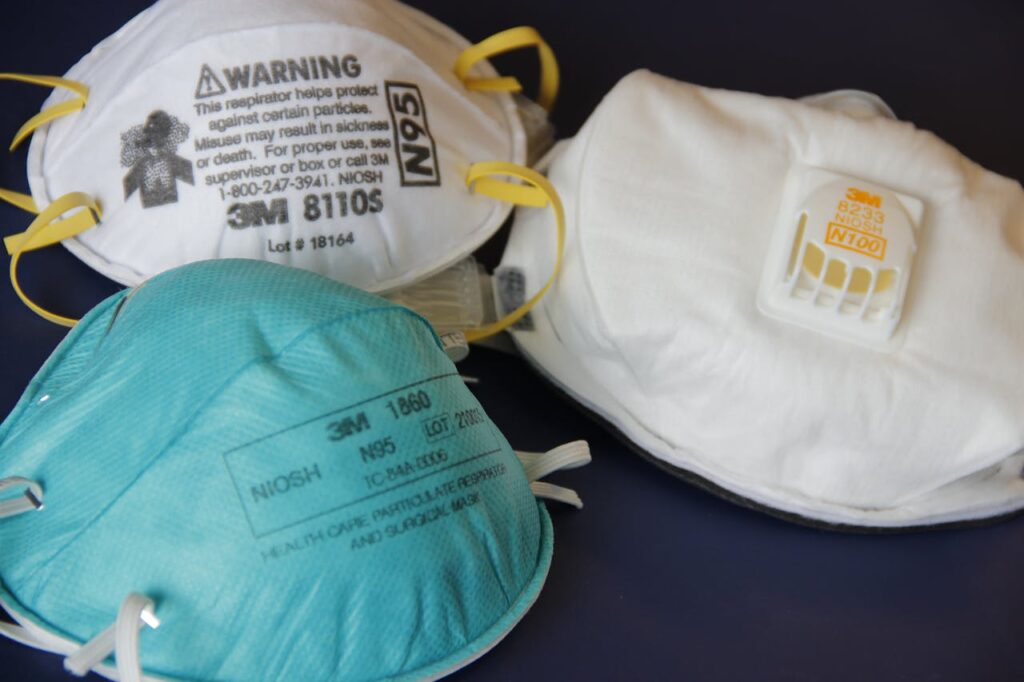
While it’s true that viruses are microscopic, they are typically transmitted via respiratory droplets and aerosols, which are larger and can be effectively filtered by masks. High-quality masks, such as N95s, are designed to filter out at least 95% of airborne particles, including those carrying viruses. Research supports the efficacy of masks in reducing transmission rates.
Reference: PNAS Study on Mask Efficacy
Myth 4: Masks are only for sick people
Initially, mask guidelines focused on symptomatic individuals. However, it’s now understood that asymptomatic and pre-symptomatic individuals can spread COVID-19. Universal masking helps prevent this silent transmission. The CDC and WHO recommend mask-wearing in public settings, regardless of symptoms, to protect both the wearer and others.
Reference: CDC Guidelines on Mask-Wearing
Myth 5: Breathing your own air all day is dangerous
Concerns about rebreathing exhaled air leading to oxygen deficiency are unfounded. Masks are designed to allow airflow, ensuring adequate oxygen intake and carbon dioxide expulsion. Studies have shown that mask-wearing does not significantly affect oxygen or carbon dioxide levels in healthy individuals. Healthcare workers wear masks for extended periods without experiencing such issues.
Reference: Health Desk on CO2 and Masks
Myth 6: Masks cause lung infections or pneumonia
Some fear that masks trap bacteria, leading to infections like pneumonia. However, there’s no evidence supporting this claim. Proper mask hygiene, such as regular washing or disposal, prevents bacterial buildup. The CDC states that mask-wearing does not increase the risk of bacterial or fungal infections.
Reference: UnityPoint Health on Mask Myths
Myth 7: Mask mandates are a form of government control
Mask mandates are public health measures aimed at reducing disease transmission, not tools for governmental control. Similar mandates exist for seat belts and smoking restrictions, all designed to protect public health. Studies have shown that mask mandates correlate with decreased COVID-19 case numbers.
Reference: Health Affairs on Mask Mandates
Myth 8: Masks are full of toxic chemicals or graphene
Concerns have arisen about masks containing harmful substances like graphene. While some masks were recalled due to graphene content, regulatory agencies have ensured that approved masks are safe for use. The vast majority of masks on the market do not contain harmful levels of any substances.
Reference: PMC Study on Graphene in Masks
Myth 9: Children can’t breathe properly in masks
It’s a common misconception that masks impede children’s breathing. However, children over the age of two can safely wear masks. Pediatricians and health organizations advocate for mask use among children, especially in school settings, to reduce transmission. Studies have shown no significant impact on oxygen or carbon dioxide levels in children wearing masks.
Reference: HealthyChildren.org on Kids and Masks
Myth 10: Wearing a mask makes COVID worse if you get it
There’s no evidence to suggest that mask-wearing exacerbates COVID-19 symptoms. In fact, masks may reduce the viral load upon exposure, potentially leading to milder infections. Research indicates that lower initial exposure to the virus can result in less severe illness.
Reference: WebMD on Masks and COVID-19
In Summary…
Understanding the science behind mask-wearing is crucial in combating misinformation. By debunking these myths, we can make informed decisions to protect ourselves and others. Masks remain a vital tool in our collective effort to curb the spread of COVID-19 and other respiratory illnesses. Let’s continue to rely on scientific evidence and expert guidance to navigate these challenging times.