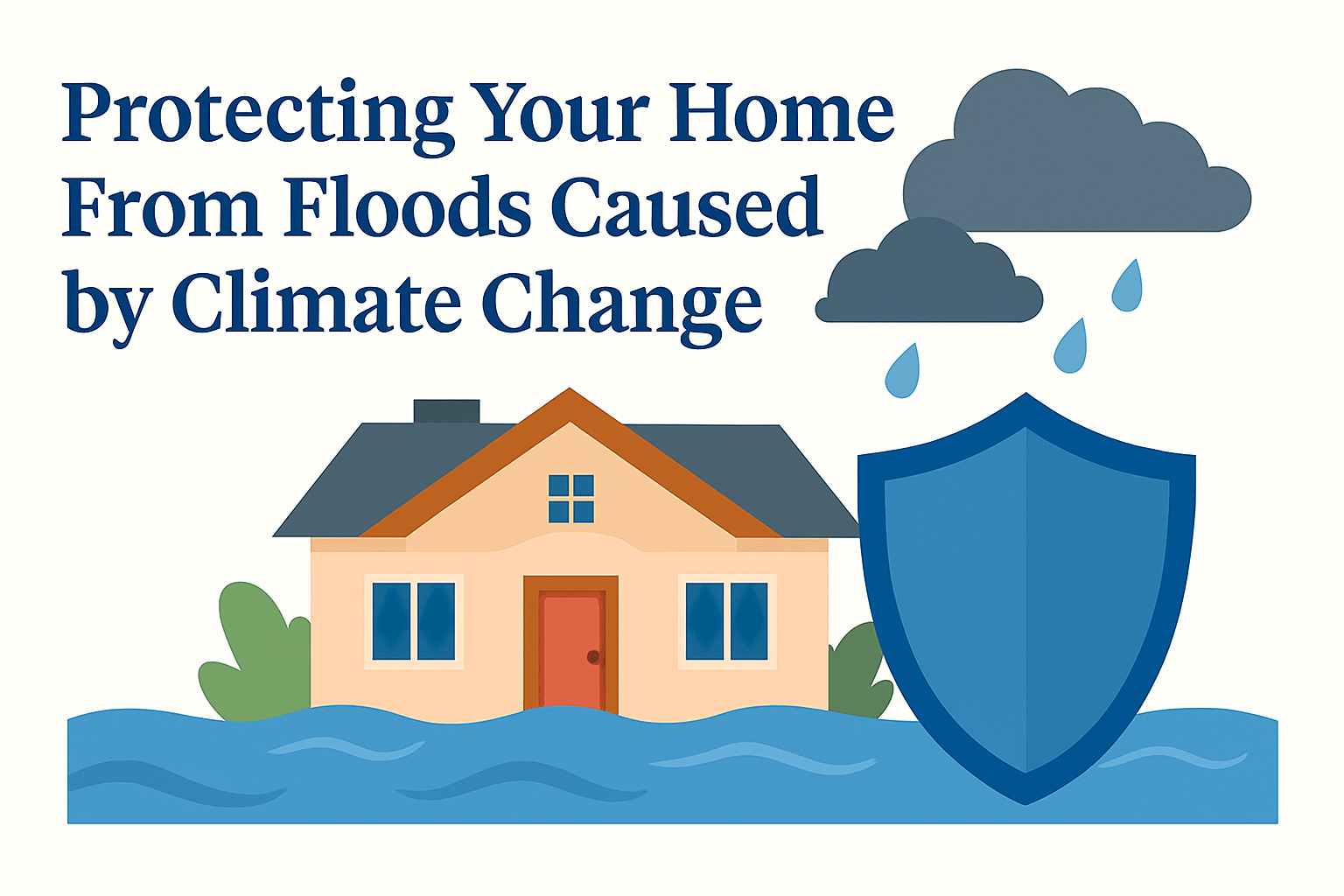
You don’t have to live next to a river to worry about floods anymore. Thanks to climate change, even places that used to be “safe” are seeing flash floods and heavy rains more often. If you’ve ever watched the water rise and wondered, “What if it reaches the house?”—you’re not alone. The good news is, you don’t need to panic. There are real, doable things you can do right now to keep your home (and your family) safe. In this article, we’ll go over some easy-to-follow flood preparedness tips that will help you stay ahead of the next big storm.
Start With What You Know: Understand Your Flood Risk
Before you run to the hardware store, take a minute to figure out your actual flood risk. You can type your address into FEMA’s flood map tool to see if your area is considered high risk. But here’s the catch—even if you’re not in a traditional flood zone, climate change is changing the rules. Sudden downpours are hitting places that never flooded before. So don’t just trust old data—check with your local city or county office, too. Knowing your flood risk is the first smart step in making any plan.
Fortify Your Foundation: Keep Water Out from the Start
Let’s talk about your home’s foundation—because water will try to sneak in any way it can. If you’ve got small cracks or gaps, seal them up with waterproof materials. Got a basement? You’ll want a sump pump. Better yet, get one with a battery backup in case the power goes out during a storm. Also, if your furnace or water heater is in the basement, try to raise it off the floor if you can. These simple fixes don’t cost a fortune but can save you thousands down the road—and a lot of stress.
Drainage Matters: Guide the Water Away
Think of your house as a little island during a storm. You want the water to flow away, not toward it. So check your gutters—are they clear of leaves and gunk? Are your downspouts dumping water at least six feet away from the house? If not, consider extensions. Also, take a look at your yard. If water pools near your foundation, you may need to regrade the soil or install a simple French drain. It doesn’t have to be fancy—just functional. Good drainage is one of the most overlooked flood preparedness tips, but it’s super effective.
Inside Counts Too: Protect What Matters Most
Okay, you’ve done the outside work—but what about inside your home? Start with the essentials: store important documents, family keepsakes, and electronics up high or in waterproof bins. It’s also smart to have an emergency kit ready with clean water, snacks, flashlights, and extra phone chargers. Think about what you’d need if you had to go a day or two without power or access to stores. And if your area floods often, a water alarm (yes, they exist!) can alert you before damage gets serious. Prepping your inside space gives you peace of mind, even during chaos.
Talk to Your People: Insurance and Community Help
Here’s something people often forget—flood insurance is not part of regular homeowner policies. You’ll want to check with your insurer or visit floodsmart.gov to learn what your options are. It’s more affordable than you might think, especially in lower-risk areas. Also, chat with your neighbors or local officials. Sometimes cities offer free sandbags, drainage help, or even rebates for home improvements. Getting your community involved can make the whole block safer. When everyone prepares together, it becomes less scary and a lot more manageable.
Final Thoughts: Preparedness Isn’t Paranoia—It’s Smart
Floods aren’t just something that happen “somewhere else” anymore. With the climate changing, being prepared is just smart living. The good news? You don’t need a huge budget or special training—just a little know-how and a willingness to take action. These flood preparedness tips are small steps that add up to big protection. Think of it as creating a buffer between your family and a rising world. It’s one of the most loving things you can do for your home—and the people in it.