Ever since I recovered from my initial COVID-19 infection, something felt… off. Like many others, I expected to bounce back quickly. Instead, I was left with a foggy brain, erratic energy levels, and inflammation that refused to budge. Doctors called it “Long COVID,” but no one could tell me exactly why it was happening. That’s when I stumbled upon the idea of viral reservoirs—the possibility that the virus might still be hiding out in the body, quietly wreaking havoc. Could that be the key to understanding why Long COVID lingers for months, sometimes even years, in people who were otherwise healthy?
What Are Viral Reservoirs and Why Do They Matter?
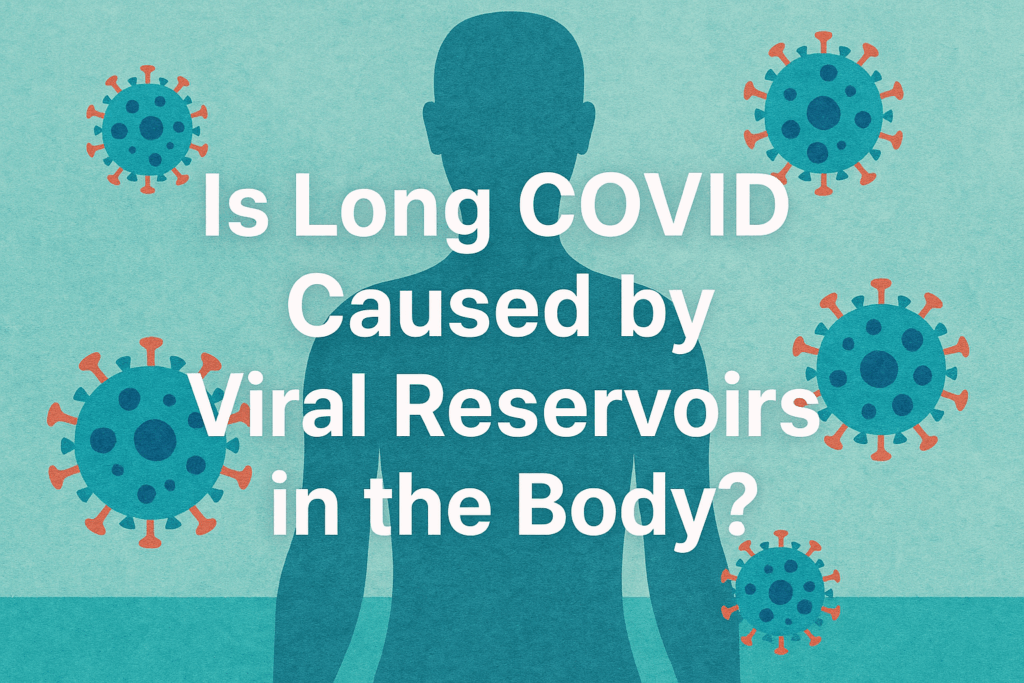
A viral reservoir is a location in the body where a virus hides out, avoiding detection by the immune system. HIV is a classic example—it burrows deep into tissues, evading elimination. Some researchers believe SARS-CoV-2, the virus behind COVID-19, might do the same. It could linger in tissues like the gut, brain, or lymph nodes long after the acute infection clears. If that’s true, these hidden reservoirs could keep triggering immune responses, leading to chronic symptoms. This theory is gaining traction among scientists and could be crucial in shaping how we treat and understand Long COVID viral reservoirs.
Evidence of the Virus Lurking Long After Infection
Several studies have uncovered viral RNA and proteins in patients months after infection—sometimes even when nasal swabs show the virus is gone. In a 2022 study from the NIH, researchers found traces of SARS-CoV-2 in the brain, lungs, and other organs up to 230 days post-infection. These findings support the idea that Long COVID viral reservoirs may not just be a theory—they might be a biological fact. The persistence of the virus in the body could explain why some people continue to experience fatigue, pain, and neurological issues even after testing negative.
The Gut-Brain Axis and Hidden Viral Activity
Interestingly, the gut may be one of the most significant hiding spots for SARS-CoV-2. The virus can infect cells in the digestive tract, and studies have found viral RNA in feces months after recovery. This could tie into the gut-brain axis—how the health of your gut affects your brain. People with Long COVID often report cognitive issues like brain fog, suggesting a possible link. If Long COVID viral reservoirs exist in the gut, they could indirectly influence brain inflammation and behavior, further deepening the complexity of post-COVID symptoms.
Immune Response and Constant “Low-Level War”
When the immune system encounters viral debris or ongoing low-level infection, it doesn’t stay quiet. Instead, it keeps fighting, causing inflammation and damage in the process. This constant immune activation may explain why Long COVID mimics autoimmune conditions. People report muscle pain, joint stiffness, and extreme fatigue—symptoms often tied to an overactive immune system. If Long COVID viral reservoirs are present, the body may be caught in a loop of perpetual battle, unable to return to baseline health. This could also explain why anti-inflammatory or immunomodulatory treatments help some patients.
Can We Detect or Eliminate These Viral Reservoirs?
This is the million-dollar question. Right now, we don’t have a gold-standard test to detect Long COVID viral reservoirs. Researchers are using biopsies, advanced imaging, and autopsy samples to investigate, but these aren’t easy tools to use for everyday patients. As for treatment, some are exploring antivirals like Paxlovid in post-acute COVID cases, while others focus on restoring immune balance with diet, supplements, and lifestyle changes. Until we understand the mechanism better, we’re still mostly treating symptoms rather than the root cause—but the research is evolving fast.
What This Means for Recovery and Hope Going Forward
If viral reservoirs are indeed behind Long COVID, this could redefine how we approach recovery. It shifts the narrative from psychosomatic theories to one grounded in persistent viral biology. It also gives hope—because if we can pinpoint and address these hidden viruses, we might finally offer lasting relief to millions. Personally, knowing that my symptoms could have a biological explanation helped me feel validated—and less alone. As science catches up, I remain cautiously optimistic. Treatments targeting Long COVID viral reservoirs could one day help people like me reclaim their health.
References
- How SARS-CoV-2 persists in the body – Nature
- NIH study reveals how Long COVID virus persists in the body – NIH
- Persistence of SARS-CoV-2 in feces – NCBI
- The immune response to persistent viral infection – Science
- Study on the persistence of viral reservoirs – Nature
- Immunological implications of Long COVID – Frontiers